Pdf Handbook Of Biofertilizers And Microbial Pesticides Pdf
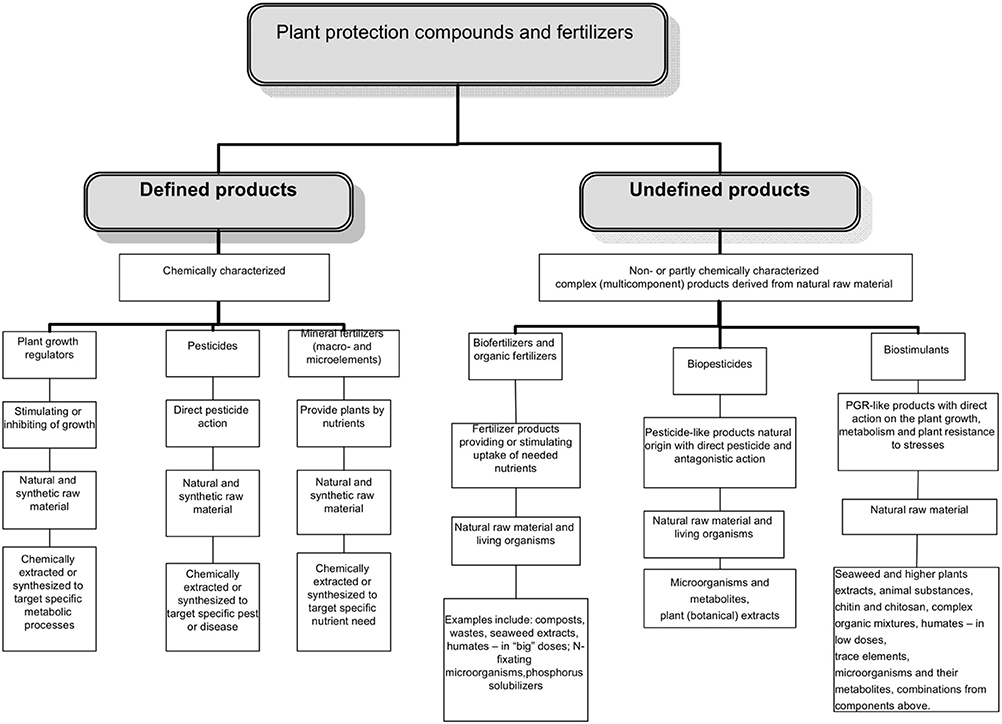
Technologies on bio-fertilizers developed by UPLB include. Three major types of bio-pesticides were studied: microbial, plant, and biochemical pesticides.
The extensive research, production and use of microorganisms to improve plant nutrition have resulted in an inconsistent definition of the term “biofertiliser” which, in some cases, is due to the different microbial mechanisms involved. The rationale for adopting the term biofertiliser is that it derives from “biological fertiliser”, that, in turn, implies the use of living microorganisms.
Built-up floor? 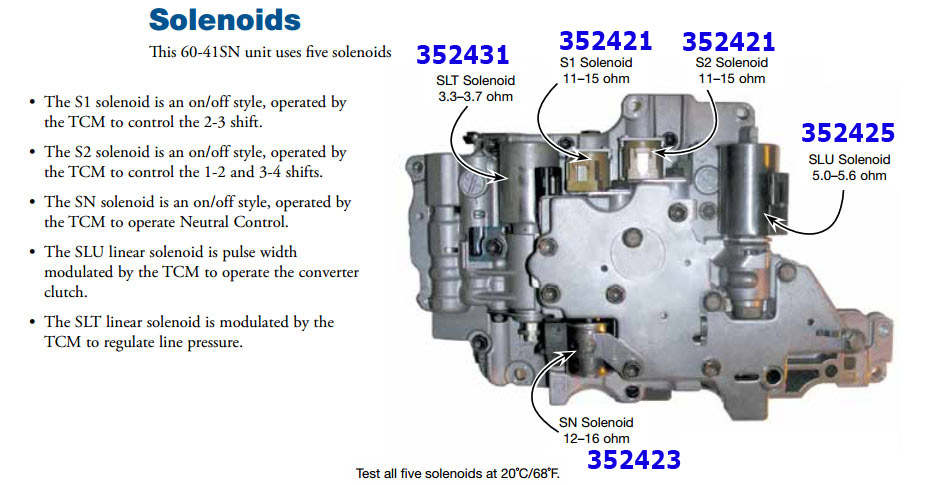 Is friction Replace ring friction ring.
Here, we propose a definition for this kind of products which is distinguishing them from biostimulants or other inorganic and organic fertilisers. Special emphasis is given to microorganism(s) with multifunctional properties and biofertilisers containing more than one microorganism. This definition could be included in legal provisions regulating registration and marketing requirements.
A set of rules is also proposed which could guarantee the quality of biofertilisers present on the market and thus foster their use by farmers. Introduction The development and use of microbial-based fertilisers has been increasing worldwide due to the recognition of the deleterious effects on the environment generated by the excessive and/or improper application of chemical fertilisers and of the improved knowledge about the relationships between the plant and all soil microorganisms occurring in the rhizosphere. Such potential has also prompted efforts in isolating and selecting microbial strains showing plant growth-promotion capabilities through direct and/or indirect improvement of plant nutrient uptake. Therefore, the positive agronomical effect of microbial-based products, besides products based on rhizobia species which have been successfully marketed since the 1950s, has opened a worldwide market of a new kind of fertilisers: the biofertilisers. The different kinds of microorganisms utilised to improve plant nutrition (fungi or bacteria) and the different mechanisms utilised by them to obtain this final effect have created some inconsistencies in the definition of the biofertilisers, which has also been fuelled by the use of different wordings to name such products, frequently considered, rather inappropriately, as synonyms. This has created some confusion in the market of microbial-based products for plant nutrition, which in the EU has not been regulated yet.
The present paper is aiming at providing some suggestions and issues to be considered by policy makers and industrial stakeholders in the process of development of a new legal provision, which should consider also the recently acquired scientific knowledge on microbial species beneficial for plant growth. Examples of legal definitions of biofertilisers The legal definition of a marketable product such as the biofertiliser is key for producers willing to commercialise them. In the European Union (EU) and in the USA, there are currently no legal definitions for the term ‘biofertiliser’, or specific legal provisions defining their characteristics. In the EU, microorganisms (bacteria, viruses and fungi) are included as possible inputs in the on organic production, but only for the biological control of pests and diseases. As such, they are thus listed within the legal framework dealing with plant protection products, as biocontrol agents. Similarly, the US National Organic Program foresees only the possibility of using biological organisms for plant protection. The drawbacks deriving from the lack of a specific legal definition for the biofertilisers can be highlighted considering the case of products containing arbuscular mycorrhizal fungi (AMF).
In 1999, a product containing AMF and claiming only biostimulating and growth-promotion properties was not classified as a plant protection product by the EU General Directorate for Health and Consumers (DG SANCO). However, in 2003 and 2008, two other products based on AMF, but claiming action against fungi or protection of the root system, were assessed as biological control agents, thus requiring registration according to the rules established for biological control substances (i.e.
 The end is here. Human civilization has been annihilated.